
Last updated 10 days ago
Uterine fibroids require a blood supply to grow. The purpose of a uterine fibroid embolization (UFE) treatment is to soften, shrink, and eventually kill the uterine fibroids by depriving them of blood. Sometimes, the fibroids disappear entirely, though you will gain relief of symptoms even if they do not. The best relief of symptoms usually comes six months following the treatment.
You will be asleep during the UFE treatment and will not feel anything. With the help of high-tech imaging, the physician places a catheter into the affected area and uses it to inject a substance that blocks the fibroid vessels and cuts off the fibroid’s blood supply. To determine whether you’re a good candidate for UFE treatment, schedule a consultation with a fibroid expert.
The fibroid experts of the Atlanta Interventional Institute at Emory Adventist Hospital will explain each step of the UFE process and help determine whether it’s right for you. Give us a call today at (678) 391-4644 with any questions you might have about UFE treatment.
Last updated 17 days ago
The growth of fibrous tissue on the uterus is a common occurrence in women, and can sometimes interfere with a woman’s ability to become pregnant and carry a baby to term. If you experience symptoms of uterine fibroids and are planning to start or grow your family, talk to a physician about the possible implications. A fibroid expert can explain how uterine fibroids might affect your pregnancy and discuss your treatment options.
Not all women experience decreased fertility with uterine fibroids. However, if large growths develop on the uterus’ outer covering, the fallopian tubes may become compressed and develop a blockage that prevents the passage of sperm. If the uterine fibroids are located in the cervical region, they can prevent the sperm from entering the uterus. Fibroids might also interfere with fertility by reducing the ability of the uterus to contract and by increasing the size of the cavity.
When a woman becomes pregnant despite the presence of uterine fibroids, she may experience localized pain. This is most common between the first two trimesters. During the first trimester, fibroids often grow larger because of the increase in blood supply and hormones. This can result in increased pressure on the abdomen or a breakdown of the fibroid due to inadequate oxygen.
-
Complications of Pregnancy
A woman with uterine fibroids during pregnancy is at a higher risk of experiencing complications. Women with fibroids are six times more likely to require a Cesarean section, and they are also at a greater risk of a breech birth and failure to progress, which can result in fetal distress syndrome. Fetal distress may also occur because of placental abruption, which occurs when the placenta breaks off of the uterine wall, causing an interruption in oxygen supply to the fetus.
If you have uterine fibroids and plan to get pregnant, talk to a doctor. The fibroid experts at the Atlanta Interventional Institute at Emory Adventist Hospital can explain your treatment options. Contact us at (678) 391-4644 or visit our website to learn more.
Last updated 25 days ago
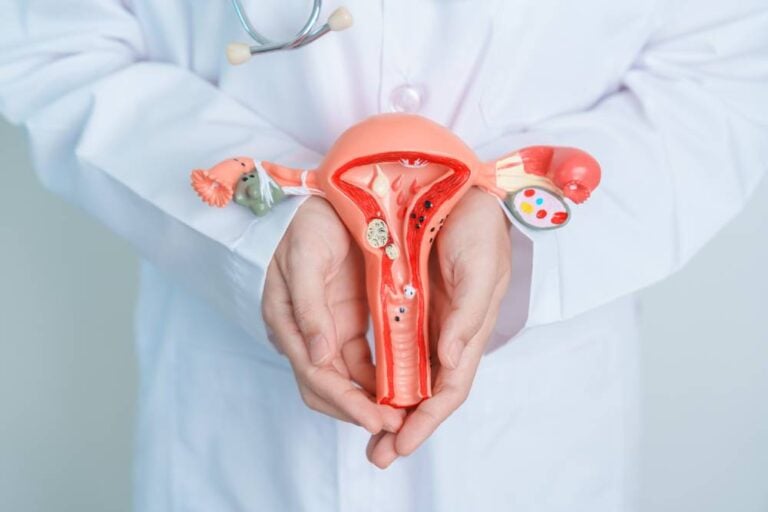
Fibroids, or uterine fibroids, are benign tumors that develop inside, outside, or inside the lining of the uterine wall. While the underlying cause of fibroids is still unknown, studies show that age, ethnicity, high blood pressure, obesity, and having a family history of fibroids can all increase your risk for development.
Women who develop uterine fibroids may experience a number of symptoms which vary based on the size and location of the tumor. Common symptoms include pain during intercourse, heavy bleeding during the menstrual cycle, increased urinary frequency, constipation, and pelvic pain. Other women may experience anemia if the fibroid is taking on a great deal of the body’s blood supply, leading to symptoms such as migraines, lightheadedness, changes in the hair or nails, heart palpitations, and fatigue.
If you are suffering from any of these symptoms, it may be time to consult with a fibroid expert. Let the skilled physicians with the Atlanta Interventional Institute at Emory Adventist Hospital help you understand your fibroid treatment options by calling (678) 391-4644.
Last updated 1 month ago
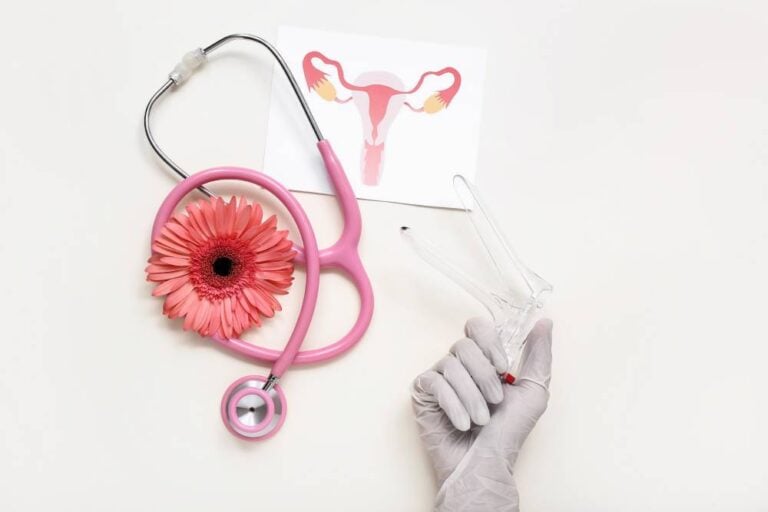
A uterine fibroid refers to a non-cancerous tumor composed of the smooth muscle tissue normally found within the uterus. Also known as leiomyomas or myomas, uterine fibroids tend to grow inside, outside, or within the wall of the uterus and can lead to a number of symptoms. Common signs of uterine fibroids include heavy menstrual bleeding, increased urinary frequency, pain during intercourse, and pelvic pain. In some cases, these uterine fibroids can also interfere with a woman’s fertility and ability to carry a full pregnancy to term.
While your fibroid expert can determine if you are suffering from fibroids, it is important to educate yourself on the risk factors.
Age
Women between the ages of 30 and 50 tend to be at greater risk for uterine fibroids due to the hormone changes that occur during this time. In fact, studies show that approximately 20 to 40 percent of women ages 35 and above have fibroids large enough to cause unpleasant symptoms. However, women undergoing menopause are usually at less risk for fibroids as their hormone levels decrease.
Ethnicity
Females of African-American ethnicity have a higher chance of developing fibroids when compared to other races. In addition, African-American women tend to develop uterine fibroids at a much younger age than Caucasian women.
Family History
As with many other conditions, women with a family history of fibroids may be at an increased risk for developing these benign tumors, especially if they have a mother or sister who developed fibroids over the course of their life.
Health Conditions
Certain health conditions may impact your risk for fibroid development. For example, women who are obese or suffer from high blood pressure tend to have a higher risk of uterine fibroids than others.
For more information on your risk factors for uterine fibroids, or to learn more about your fibroid treatment options, contact the Center for Image Guided Medicine at Emory-Adventist Hospital. Call (678) 391-4644 or visit us on the Web to get started.
Last updated 1 month ago
Women who are suffering from uterine fibroids have a number of treatment options at their disposal, one of which is uterine fibroid embolization. Unlike other procedures, uterine fibroid embolization is designed to treat fibroids by blocking their blood supply so that they shrink and die off. Continue reading for more information about this fibroid treatment option.
Ideal Candidates
Ideal candidates for uterine fibroid embolization, or UFE, typically include healthy women who are not eligible for other fibroid treatment methods, such as endometrial ablation, myomectomy, or hysterectomy procedures. Your fibroid expert will determine your candidacy during your initial consultation, at which time he or she will take a full medical history, discuss your symptoms, perform a physical examination, and order an MRI of your pelvis.
Procedural Steps
After administering intravenous or conscious sedation, your fibroid expert will inject local anesthesia into the right groin or top of the thigh area in order to insert a catheter. This catheter will be positioned under X-ray guidance and inserted into the blood supply of the uterus, after which tiny particles will be injected to block the blood vessels supplying the fibroid. Without proper blood flow, the uterine fibroids will become soft and liquefy until they eventually shrink and wither away.
Recovery
Most patients find that the recovery period following uterine fibroid embolization is approximately four days. However, you will most likely need to remain home from work for at least one week.
Benefits
Uterine fibroid embolization provides a number of important benefits. Not only is the procedure minimally invasive and performed on an outpatient basis, but it is also associated with minimal risk and a 90 percent success rate for most patients.
The best way to determine if uterine fibroid embolization is right for you is to consult with your fibroid expert. Give the Atlanta Interventional Institute at Emory Adventist Hospital a call at (678) 391-4644 for more information about our non-surgical fibroid care.